How to Choose Eco-Friendly Appliances for Your Lodge in Australia

Assess Your Energy Needs
Understanding your energy needs is the first step toward a more sustainable home. Let's explore some practical ways to do this.
Analyze Daily Energy Consumption
Begin by taking a closer look at your household's energy usage. Keep track of how much electricity everyday appliances consume, such as the double door freezer refrigerator and cooktop portable electric. Simply noting down the consumption rates can help you make informed decisions about energy efficiency.
Evaluate Appliance Usage Patterns
Next, observe when and how often you use these appliances. Are there peak times when your family uses the air fryer ninja or similar devices? By pinpointing these patterns, you can identify opportunities for energy savings. Implementing timers or scheduling usage outside peak hours can reduce your energy footprint significantly.
Project Future Energy Requirements
Consider how your energy needs might change in the future. Are there plans for a growing family or the introduction of new appliances? Anticipating these changes allows you to adjust your energy solutions and stay aligned with sustainable practices. A visit to Cape Byron Lighthouse might inspire you further, as it stands as a beacon for sustainable tourism ideas.
By delving into these areas, you'll gain a comprehensive view of your energy consumption, paving the way for more sustainable living solutions that align with your family’s needs and values.
Prioritise Sustainable Features
Identify Renewable Energy Compatibility
As we delve into sustainable living, it's vital to choose home appliances that are compatible with renewable energy sources. In Australia, where solar panels are a common sight on rooftops, opting for appliances that seamlessly integrate with solar power can significantly reduce your carbon footprint. When considering additions to your home, such as a highly efficient cooking device like the ninja air fryer max, look for products designed to operate efficiently with renewable power sources.
Focus on Energy Star Ratings
Evaluating appliances based on their Energy Star ratings is a practical step toward sustainability. These ratings provide a clear indication of energy efficiency, allowing you to make informed choices that align with environmental and financial goals. Opting for products with high ratings could dramatically lower energy consumption, aligning beautifully with your commitment to sustainability—even for seemingly simple items like a woven rug, which may not consume energy directly but speak to broader energy-saving practices in production.
Seek Out Durability and Longevity
Durability is a cornerstone of sustainable consumption. Investing in appliances built to last reduces the frequency of replacements and the demand for resources involved in manufacturing new items. The best camping fridge is an excellent example—a long-lasting model not only reduces waste but also provides reliable service for years, harmonising with your eco-conscious lifestyle. Remember, at the heart of this approach lies the encouragement found in sustainable practices at landmarks like The Farm Byron Bay, where durability is as much about choice as it is about habit transformation.
Explore Available Technologies
Investigate Smart Appliances
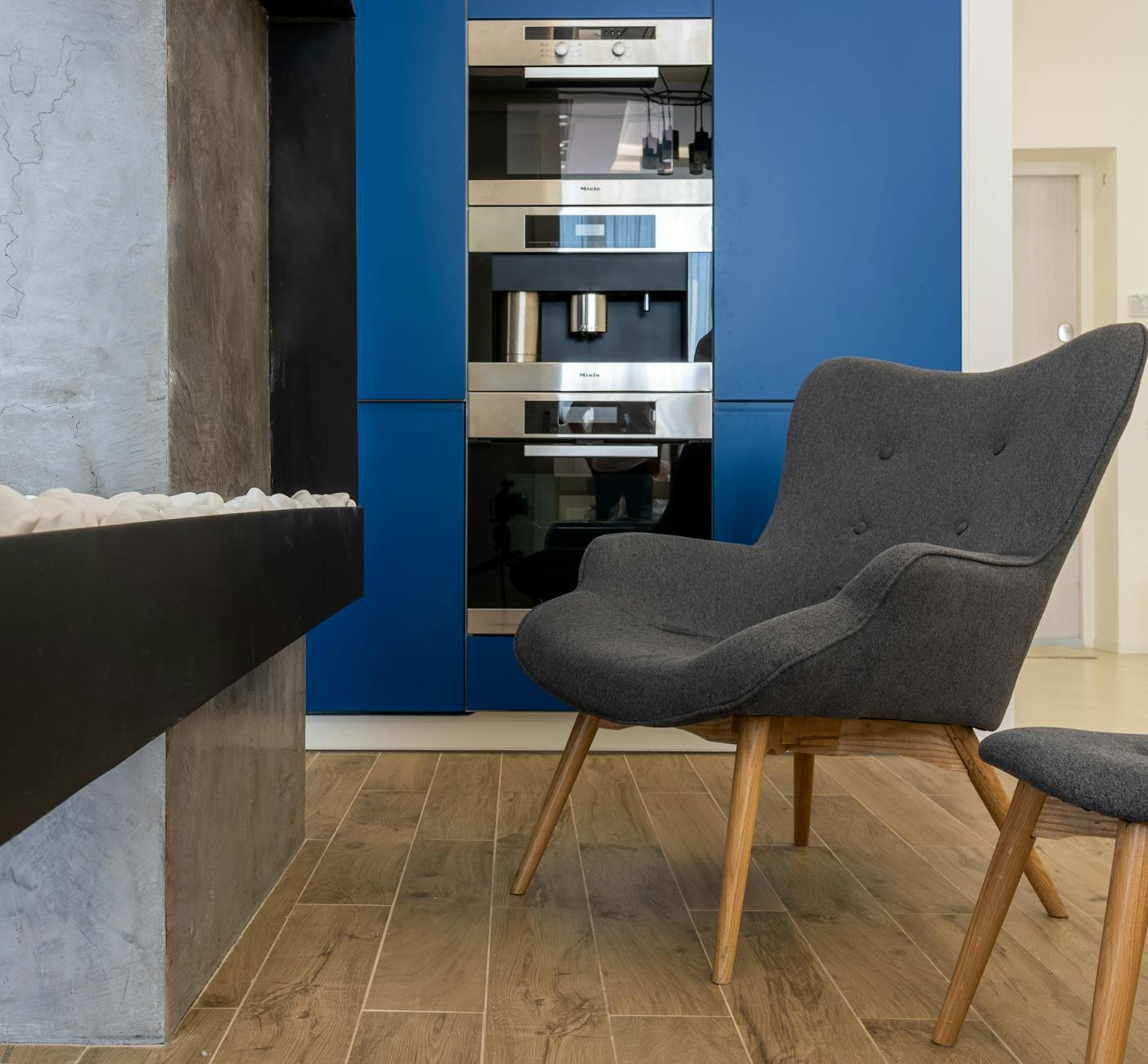
In our quest for sustainable living, smart appliances play a pivotal role in reducing energy consumption and enhancing our daily lives. A perfect example of such technology is the seamlessly designed microwave and oven combined units. These not only save space but also harness energy more efficiently, reducing our environmental footprint. By integrating these technologies, we move closer to a home that's both eco-friendly and aligned with modern living.
Study Inverter Technology
Turning our attention to inverter technology, it becomes clear how pivotal these systems are in controlling electricity flow for greater efficiency. By adjusting power usage to match the current demand, inverter technology ensures minimal energy waste, fostering a sustainable household environment. It's an intelligent step toward reducing your carbon impact without sacrificing convenience or functionality.
Examine Water-Saving Options
Exploring water-saving options is crucial for sustainable home improvements. From low-flow faucets to water-efficient omelette pans for cooking, these innovations help families manage resources responsibly. Imagine crafting a hearty breakfast while conserving water beautifully—much like the inspiration found at The Byron Community Market, where eco-friendly collaboration and resourcefulness thrive.
These sustainability tips empower us to make smarter choices, paving the way for a lasting environmental impact. Adopting advanced technologies not only enhances our quality of life but also aligns with the values of future-focused communities. As we incorporate these eco-conscious solutions, the journey towards more sustainable living becomes both achievable and rewarding.
Implementation Challenges
Sustainable home solutions offer impressive advantages, but like any innovation, they come with their set of challenges. One primary hurdle is overcoming initial installation barriers, especially with devices like a solt dryer. Installing such energy-efficient appliances might seem daunting due to upfront costs or technical complexities. However, these hurdles can become manageable by selecting experts who are skilled in sustainability practices and can offer local, relevant advice.
Consumer perceptions also play a vital role in the successful implementation of green technology. Many remain skeptical about new technologies due to misconceptions about costs or inefficiencies. It's essential to emphasize long-term savings and environmental benefits to help shift this mindset. Highlighting the practical benefits of innovations, such as a 120 hertz TV, can showcase how sustainable technologies can merge cutting-edge features with eco-friendly performance.
Integrating sustainable solutions with existing systems can be tricky, too. Often, compatibility issues arise, and balancing new technologies with old systems requires careful evaluation. I recommend employing modular systems that can bridge current setups with future technological advancements, ensuring seamless transitions.
For family households in Australia, constantly adapting to green technologies isn't just about new purchases. It's about fostering a mindset attuned to sustainability and gradually implementing changes that align with your lifestyle. These challenges, when tackled methodically, can transform your living space into a hub of eco-consciousness.
Incorporate Best Practices
Adopt a Routine for Maintenance
As you embark on your family's sustainability journey, embracing regular maintenance schedules for your eco-friendly appliances is crucial. This not only ensures optimal functionality but extends the life of your devices, a key element in reducing waste. Think of it like the lighthouse keepers at the Cape Byron Lighthouse meticulously maintaining the iconic site to preserve its charm and utility for future generations. Simple tasks like cleaning filters and inspecting seals can drastically enhance energy efficiency, promoting longer appliance lifespans.
Fine-Tune Your Usage
Monitoring and adjusting your energy consumption will have a significant impact on sustainability. Much like the ingenuity showcased at The Farm Byron Bay, where sustainable practices are continually refined, you can optimise appliance use by observing patterns. Consider picking up an energy monitor to track usage in real-time, making small, impactful adjustments to conserve power. Switching off appliances when not in use and capitalising on off-peak electricity rates can also yield great environmental benefits.
Engage in Community Sharing
Community sharing programs offer an enriching pathway for sustainable living. Picture the collaborative spirit of The Byron Community Market, where artisans unite for eco-friendly, local business development. Encourage your neighbourhood to implement appliance-sharing schemes or tool libraries to maximise resource utilisation and reduce emissions. This becomes an opportunity for community bonding and spreading the spirit of shared responsibility—bridging families with the common goal of a greener tomorrow.
Explore these strategies and find empowerment in integrating these meaningful practices into your home. By taking these proactive steps, you're not just reducing your environmental footprint; you're actively participating in the thriving tapestry of sustainability that defines Byron Bay, enriching your family's connection to both the earth and one another.